How to Stay Warm While Traveling in the Winter Without Overpacking
Winter travel can be magical: think Christmas markets, snowy city streets, and cozy cafés. But it can also be miserable if you're cold the entire time. Staying warm doesn't require overpacking or checking a bag.
After years of winter trips (and learning things the hard way), this guide covers everything from layering strategy and fabric science to the things most travelers forget like protecting your phone from the cold and keeping your skin from cracking. These are my tips for staying warm, healthy, and actually enjoying your winter destination. Shop my go-to outwear pieces.
Staying Warm
1. Dress in Layers (Not Bulky Pieces)
The biggest winter travel mistake is packing bulky sweaters and coats that eat up half your suitcase. Layering thin but that right fabrics is more effective and more packable. It lets you trap heat efficiently while adapting to the constant temperature changes of a winter day (freezing outside, toasty inside a museum).
A solid three-layer system works like this: a moisture-wicking thermal base layer against your skin, a warm insulating mid-layer like a fleece or sweater, and a lightweight but wind-resistant outer shell. That's it. That combination will keep you comfortable from a morning walk through a Christmas market to an afternoon spent in a heated train car.

Pro Tip
When you try on layers before your trip, wear them all together. You may need to size up your outer layers to fit comfortably over your mid and base layers. This common oversight can lead to restricted movement and frustration on your trip.
2. Choose the Right Base Layers
Base layers are the secret weapon of winter travel. A good thermal top and leggings add serious warmth without any visible bulk. They fit seamlessly under everyday outfits and take up almost no space in your bag.
Look for fitted thermals specifically designed for cold weather, such as Uniqlo’s Heattech Clothing options. They're far more effective than doubling up on regular shirts or pants, and they dry quickly if you break a sweat walking between destinations.
3. Accessories Are Your Secret Weapon
If you want maximum warmth for minimal packing space, accessories are where it's at. A hat, scarf, and gloves together do more to keep you comfortable than an extra sweater, and they compress down to almost nothing in your bag.
A chunky scarf is incredibly versatile: it can double as a blanket on planes or trains, wrap around your neck on a frigid morning, or tuck into your coat for wind protection. And get touchscreen-compatible gloves. You'll thank yourself every time you need to check a map or snap a photo without exposing your hands to the cold.

The Plane Trick
Wear your bulkiest jacket onto the plane instead of packing it. Most airlines keep cabins cool, so you'll stay comfortable, and you'll free up a huge amount of suitcase space for everything else.
4. Don't Underestimate Your Outer Layer
Bigger doesn't always mean warmer. A lightweight, packable down or insulated jacket can outperform a bulky coat and compress down to the size of a water bottle for easy transport. This is my go-to insulated jacket that kept me warm through my European Christmas Market trip.
When choosing an outer layer, focus on three things: wind resistance, heat retention, and packability. Ideally it should also be water-resistant, because winter weather rarely stays dry for long. Snow or rain is alway possible. Being wet and cold is no fun!
5. Warm, Waterproof Shoes Are Non-Negotiable
Cold or wet feet can single-handedly ruin an entire day of sightseeing. Your winter shoes need to check four boxes: insulated, water-resistant or waterproof, comfortable for long walking days, and broken in before your trip.
I like to go on a 30 minute to hour long walk every other day for a couple of days when I get new boots. This allows me to break in my new boots, but the every other day gives my feet a break from being continually stiff and cramped during the break-in period.
Make sure there's enough room inside for thicker thermal socks, so try them on together before you travel. And don't sacrifice comfort for style. You'll be walking for hours, and blisters and being cold is the worst.
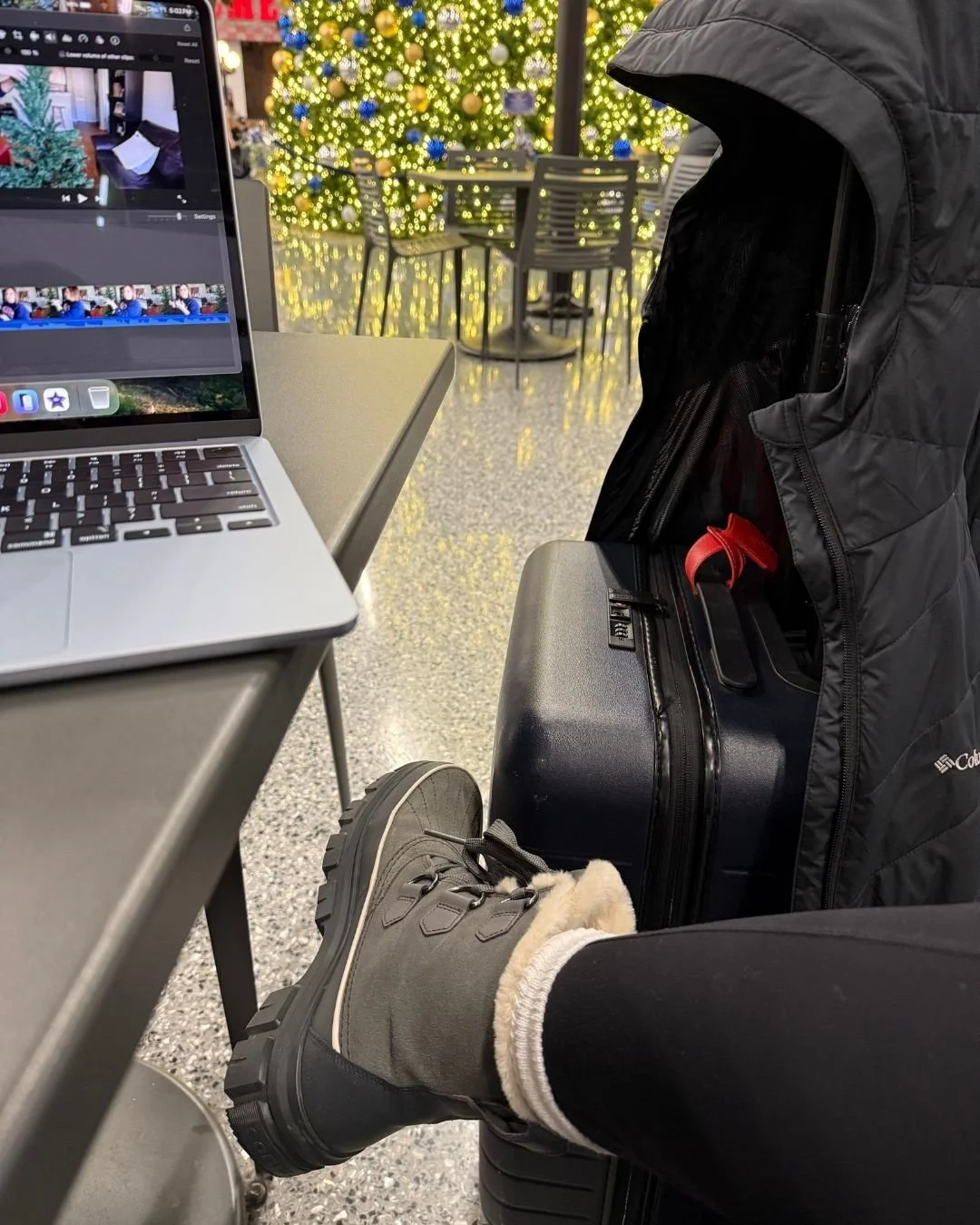
Packing Hack
Stuff your socks, gloves, and small accessories inside your boots before packing. It saves space and keeps everything organized at the same time.
6. Ditch Cotton. Choose Fabrics That Work Overtime
This one is critical and often overlooked: cotton is the enemy in winter travel. When cotton gets damp from sweat or light snow, it holds onto that moisture and actually makes you colder. It's a fabric that works against you in the cold.
Instead, reach for wool (especially merino wool) and synthetic thermals. Wool retains heat even when damp, naturally resists odor, which means you can rewear pieces without washing. It also packs down lighter than you'd expect. Merino wool in particular is less itchy than traditional wool, making it ideal for base layers and socks worn directly against the skin.
For carry-on travelers, the ability to rewear clothing without it smelling is a game-changer. A merino wool sweater can be worn two or three times between washes. This is the standard practice for smart winter packers.
7. Seal the Heat Escape Points
If you're still cold despite a solid layering system, the culprit is almost always heat escaping from your extremities: your head, neck, hands, and ankles. Up to 40% of your body's heat can escape through your head alone when it's uncovered.
Covering these areas properly with a beanie that covers your ears, a scarf that tucks into your coat, long thermal socks, and snug gloves will make you feel warmer than adding another sweater ever could. Think of it as sealing the gaps in an otherwise solid system.
8. Pack Small Items That Add Big Warmth
Some of the most effective warming tools are also the smallest and lightest things you can pack. A few winter travel MVPs that take up almost no space:
Hand warmers — lifesavers for long outdoor days and Christmas markets
Thermal socks — cashmere or merino wool socks are a genuine game-changer
Compact insulating layers — like a thin down vest that packs flat
Lip balm with SPF — cold air dries and cracks lips fast
Sunglasses — the sun can be brutal on bright, snowy days; they also protect your eyes from the wind

Layering Keeps You Warm & Cool
Dressing in layers allow you to adjust your body temperature by adding or removing items when you are in and out of buildings. Keep an eye out for a coat check at the door so that you can explore without the bulk.
9. Plan for Temperature Swings
A winter day often looks like this: freezing cold at 8am, pleasantly mild by 2pm, and overheated inside every restaurant and shop in between. Dressing in adaptable layers is what keeps you comfortable throughout without the hassle of constantly digging through your bag.
Check the forecast daily during your trip and plan your outfit accordingly. If rain or snow is in the forecast, bring out your waterproof outer layer. If it's a clear, sunny day, you might get away with a lighter jacket and rely on your base and mid layers to do the work.
10. Pack for Cold Transit Days
Planes, trains, and buses are often colder than you expect, especially overnight flights or long rail journeys. Always keep a warm layer, scarf, or thick pair of socks easily accessible in your carry-on or personal item. You don't want to be digging through your jammed-packed luggage mid-flight.
Also, keep your medications, a phone charger, snacks, a change of clothes, and any essentials you'd need in your personal item in case your checked bag got delayed or lost. Winter weather disruptions are common, and having your basics within arm's reach turns a stressful situation into a manageable one.

Check out the video!
Want to know how I packed carry-on only while traveling in the winter? Watch my video for a more detailed breakdown!
Beyond Warmth
Staying warm is only half the battle. Cold weather travel throws a few curveballs, and they can make or break your trip if you're not prepared. Here are some additional tips to keep you enjoying your winter vacation.
11. Stay Hydrated (You Need It More Than You Think)
Here's something that catches most winter travelers off guard: cold weather actually increases your risk of dehydration. The dry air saps moisture from your body, and the cold suppresses your sense of thirst, so you simply don't feel like drinking water even when your body needs it.
This is compounded by airplane cabins, which can drop humidity to around 10%. The combination of cold outdoor air and dry cabin air means your body is losing fluid constantly, without the usual thirst cues to remind you.
Carry a reusable water bottle and make a conscious effort to sip throughout the day, especially on travel days. Limit caffeine and alcohol, which can dehydrate you further. If you're feeling sluggish or getting headaches in the cold, dehydration is often the culprit.
12. Protect Your Skin From Winter Dryness
Cold air holds less moisture than warm air, and indoor heating strips what's left. This results in dry, tight, cracked skin. Your hands, lips, and face and the most vulnerable as they are often the most exposed to the weather. This can be uncomfortable and painful if left unchecked.
Pack a small travel-sized moisturizer and apply it right after showering while your skin is still slightly damp. This will lock in moisture far more effectively. Keep hand cream in your bag for on-the-go touch-ups, and use an SPF lip balm throughout the day. Cold weather doesn't mean sun-free. UV rays reflect off snow and can burn your skin even on overcast days.
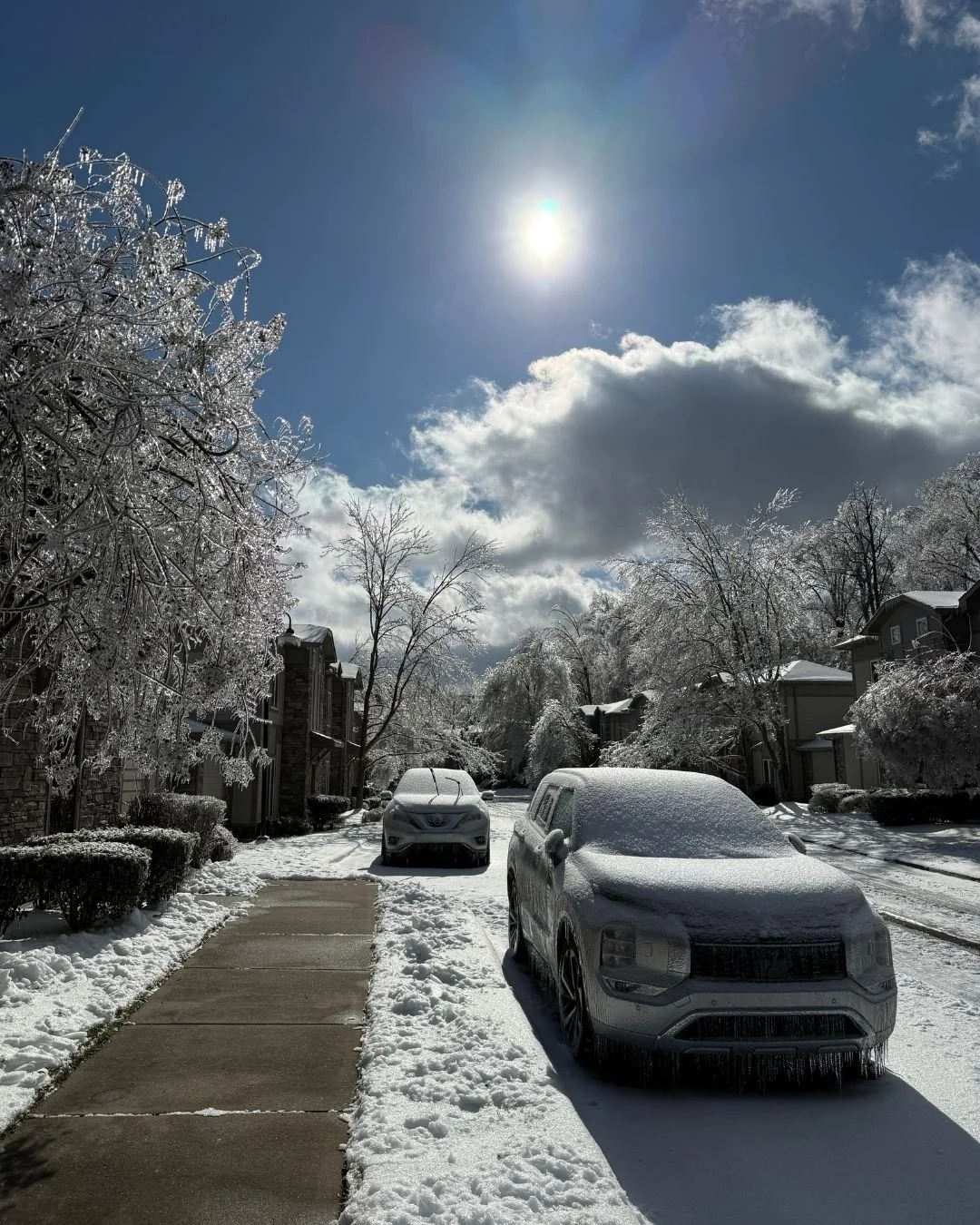
Don't Skip Wearing Sunglasses
Snow glare is REAL and can be brutal on your eyes, even on cloudy days.
13. Keep Your Phone (and Electronics) Alive in the Cold
If your phone has ever mysteriously died in freezing weather despite showing a decent battery percentage, you've experienced cold-weather battery drain firsthand. It's one of the most frustrating and potentially dangerous winter travel pitfalls.
Lithium-ion batteries rely on chemical reactions to produce power, and cold temperatures slow those reactions dramatically. Your phone may show 50% battery and then shut off entirely within minutes of being exposed to the cold. It's not broken; it's just frozen.
Here is the fix:
Keep your phone against your body — an inside jacket pocket works best. Body heat is the single most effective way to extend battery life in the cold.
Carry a portable power bank — keep it warm in your pocket too, not at the bottom of your bag.
Don't charge a frozen phone — charging a lithium-ion battery below freezing can permanently damage it. Let it warm to room temperature first. This can take about 20–30 minutes.
Use airplane mode outdoors — your searching for signal drains the battery significantly faster in the cold. So if you don’t need to stay connected, then go into airplane mode.
Close background apps — they sap battery life under normal conditions, and the drain accelerates in cold weather.
Check out the vlog
In this video, I share the details of how to handle stressful situations, such as stolen luggage, train strikes, language barriers.
14. Have a Plan B for Weather Disruptions
Winter weather is notoriously unpredictable, and flight delays or cancellations are a real possibility, especially during the holidays. A little preparation goes a long way toward turning a frustrating situation into a manageable one.
Download your airline's app before you travel. It's often faster at notifying you of gate changes and delays than airport screens. When booking flights, consider routes with longer layovers during winter months. This will give you a buffer if your first leg gets delayed.
Keep your essentials in your carry-on: medications, a charger, a warm layer, snacks, and a change of clothes. If your checked bag gets stranded, you'll have everything you actually need. And always have a backup plan for ground transportation in case storms shut down local options.
15. Consider Travel Insurance Especially in Winter
Winter travel comes with elevated risk: storms can cancel flights, icy roads can disrupt plans, and ski injuries are a real possibility if you're hitting the slopes (or just walking around on the ice). Travel insurance is relatively affordable and typically covers trip cancellation, missed flights, lost luggage, and medical emergencies.
If you're planning winter sports, look for a policy that specifically covers ski and snowboard injuries, equipment damage, or emergency evacuation from remote mountain locations. It's one of those things that feels unnecessary until the exact moment you need it and then it's invaluable.
I buy travel insurance for every international trip I take. and I usually purchase it through World Nomads. On my trip to Germany in 2023, I had a couple of different trip interruptions for which I needed to file a claim for my travel insurance. I was super glad to have insurance!
Check out the vlog
In this video, I detail my experience filing a claim with my travel insurance.
Warm Travel Is Smart Travel
Most people avoid traveling in the winter because they don’t want to be cold on their vacation and packing bulky sweaters takes up too much space. Staying warm while traveling in the winter doesn’t have to include packing more. You just need to learn how to pack smarter. For my go-to winter accessories, shop my go-to outwear pieces. The right layers, fabrics, and a few overlooked essentials will keep you comfortable, healthy, and actually able to enjoy your destination.
What winter destination is that the top of your travel list?
Ciao for now!




This blog contains affiliate links. I may earn an affiliate commission if you purchase something through my affiliate link or promo code.

The Away Bigger Carry-On has proven itself as a reliable travel companion through cobblestones, snow, rain, and even two energetic nephews. When the handle finally broke, Away's warranty process was just as impressive as the suitcase itself, delivering a replacement part in one week at no cost.