10 Travel Products I Stopped Using (and What Replaced Them With)
I recently moved into a new apartment. Moving was the perfect opportunity for me to pair down and declutter. Mainly because I didn’t want to pack up and move things that I don’t use and that just takes up space. For most of my stuff, it was straightforward. But then I got to my travel gear.
I pulled out a drawer that had become a graveyard of single-use travel products. There was a neck pillow I hadn't touched in years. I found a luggage scale with a dead battery. And tucked away on a shelf was a travel blanket stuffed into a stuff sack. I bought all of it thinking I needed it, and somewhere along the way I just stopped using it.
Almost every item I decluttered had been replaced by something that does two or three jobs instead of one. If you travel carry-on only, multi-use gear is essential in order to pack efficiently. Here's everything that didn't make the cut, what I use instead, and a few extra swaps worth considering.
Check out the vlog
Follow along on the vlog as I move into a new apartment and go in depth on the items that I decluttered.
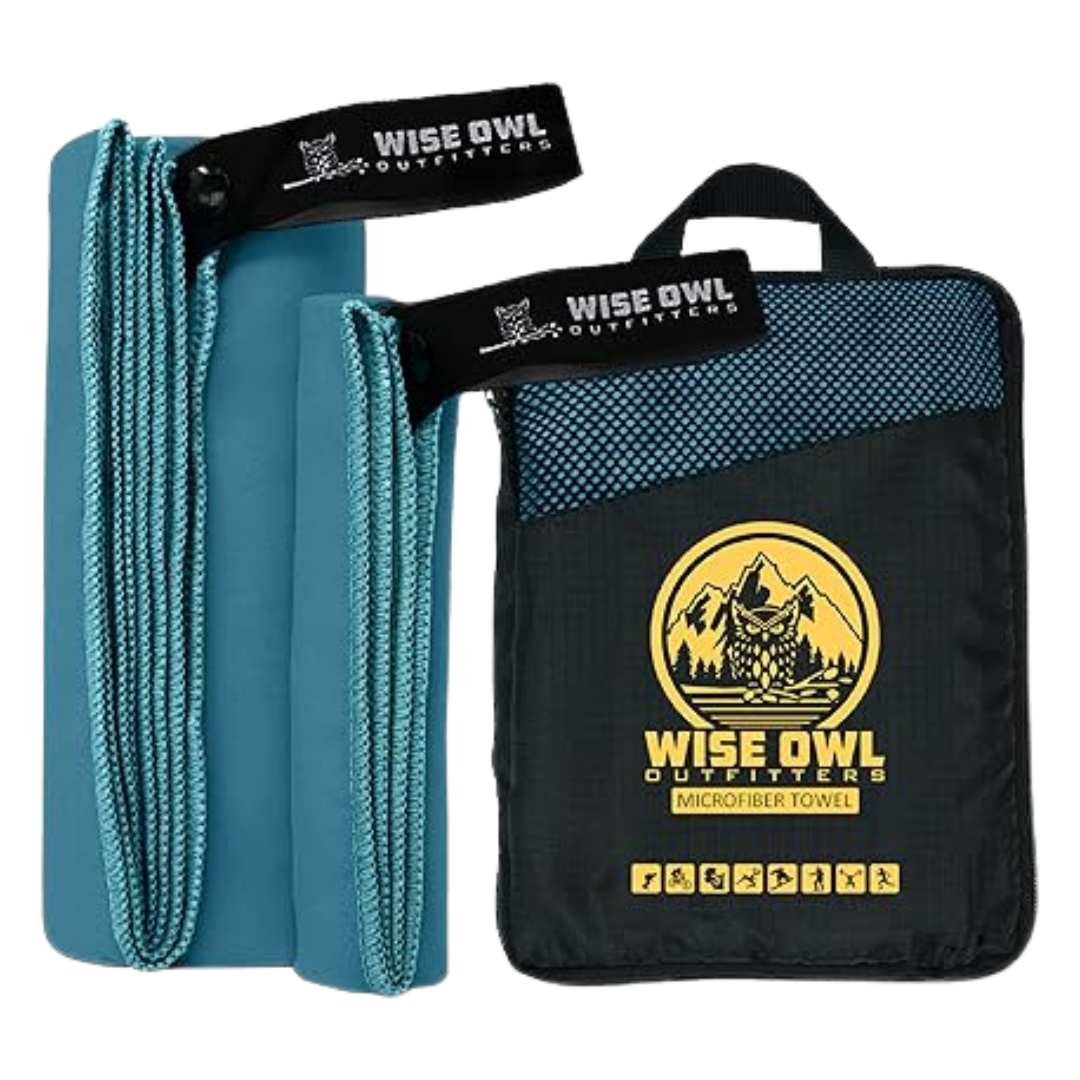
1. Travel blanket → microfiber towel
I am always cold on planes. Always. I bought a dedicated travel blanket years ago during a layover because that first flight was brutally cold. While a blanket came in handy as an extra layer on a hotel bed, I realized that I was traveling to a lot of beach destinations. Having a beach towel was needed as well.
A quality microfiber towel does everything the blanket did and more. On a cold flight, I unfold it across my lap and I am just as warm. Off the plane, it works as a bath towel and a beach towel. Plus, it dries so fast so you don’t have to worry about mildew by the time you're off to your next destination. For multi-city trips, that quick-dry factor changes everything.
Pro tip: Look for a microfiber towel that comes with its own compact stuff sack. It packs down small and is easier to travel with.
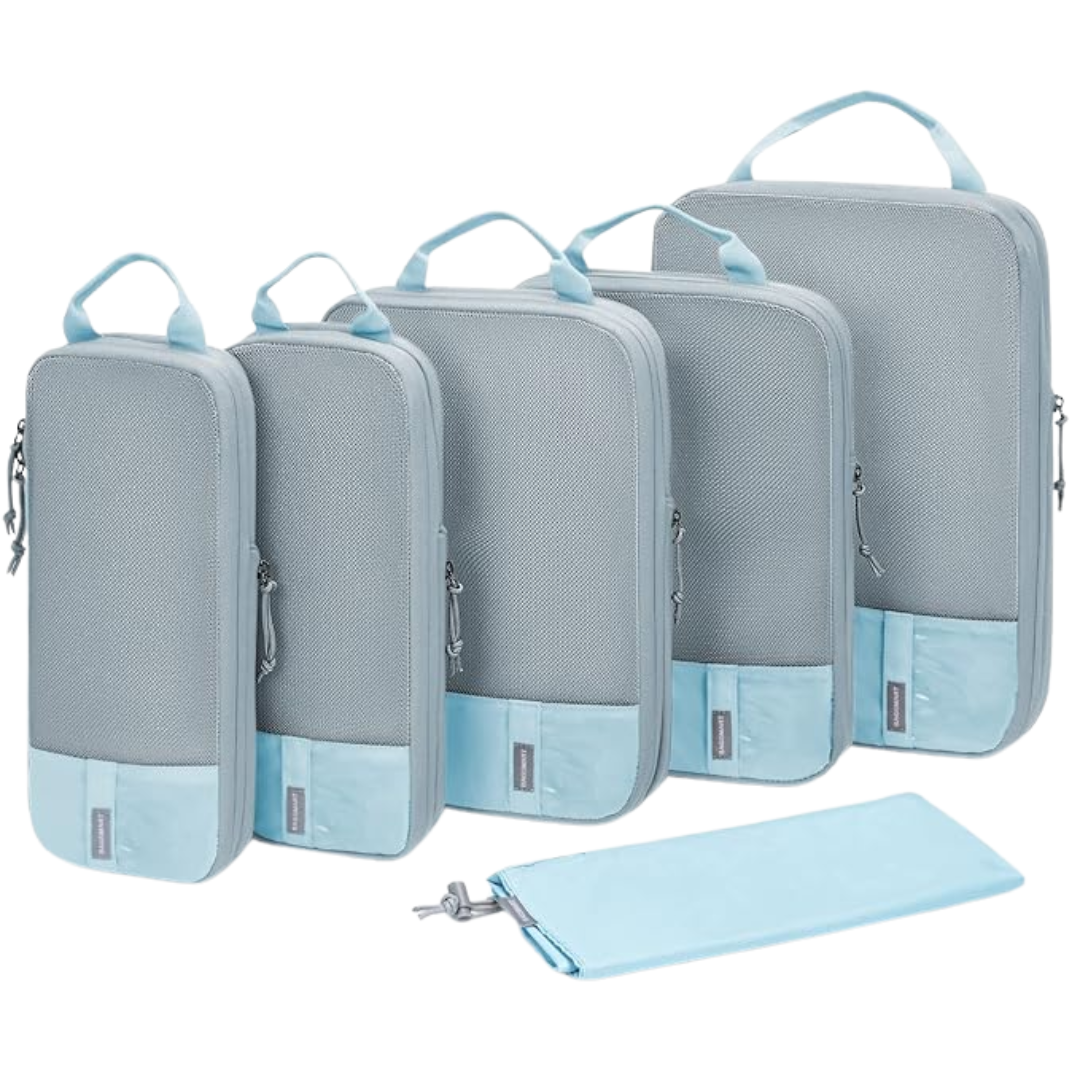
2. Regular packing cubes → compression packing cubes
I converted to packing cubes years ago because I loved how they kept all of my stuff organized and separated. But regular packing cubes just hold your clothes, they don't do anything to reduce how much space those clothes take up.
Compression cubes keep the same organizational system I already had with the additional benefit of compressing the clothes together. You zip the first zipper to close the cube, then zip a second zipper to compresses everything down. I can fit noticeably more into the same bag, which matters when you're fitting a week of clothes into a 40-liter carry-on.
Pro tip: Fold your clothes the length and width of the cube so it evenly distributes the layer for a smoother compression.
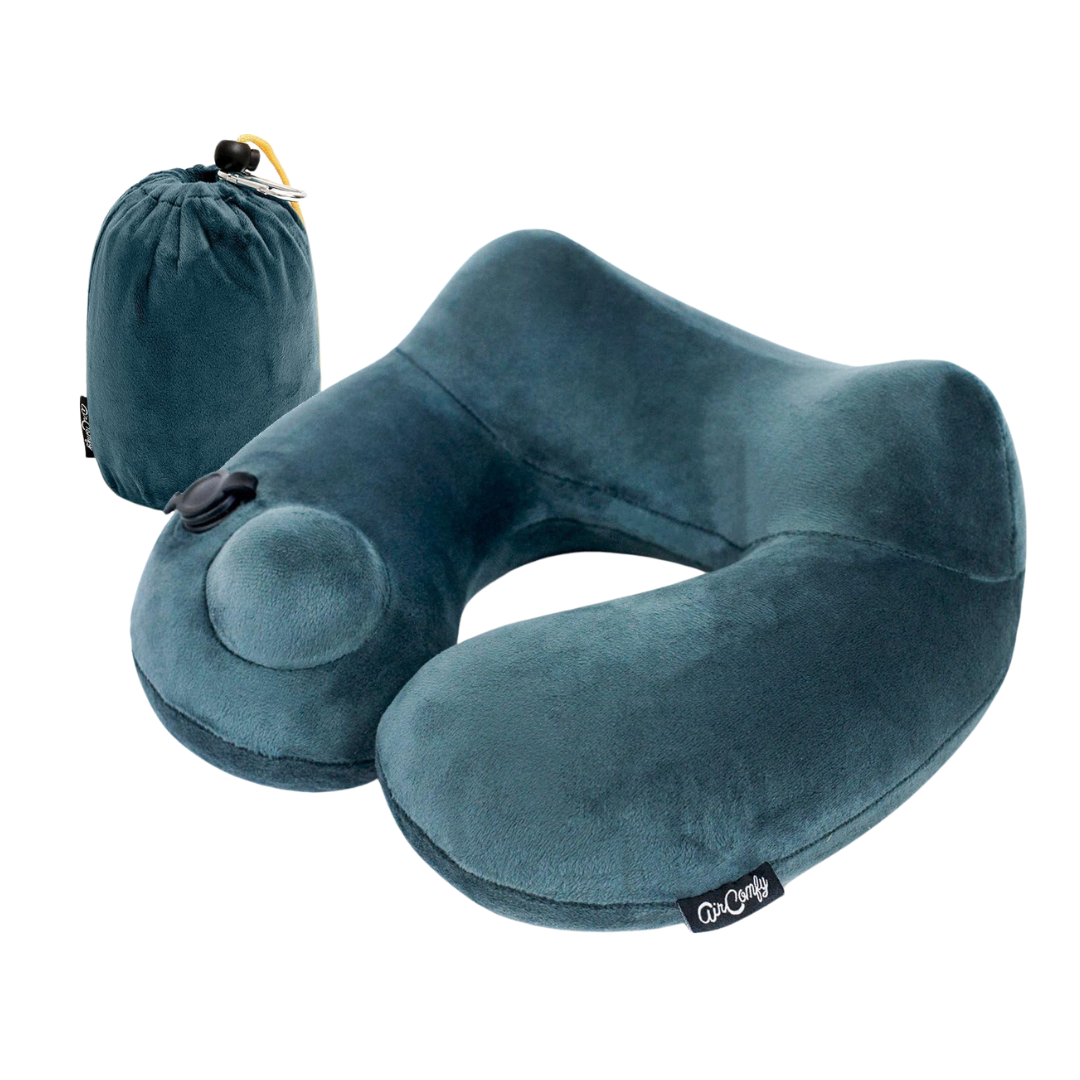
3. Inflatable travel pillow → seat headrest or a compression cube
I bought an inflatable neck pillow because every packing list on the internet told me I needed one. And I used it... a handful of times before I realized two things. First, I almost never took it out of my bag on short-haul flights. Second, newer planes have those adjustable headrests that fold forward on both sides to support your head. When those exist, I don't need a pillow at all.
For the flights where no adjustable headrest exists, I've started using a compression cube (that I have packed with clothes) as a make-shift pillow. It works. It doesn't look glamorous, but it works, and it takes up zero additional space because it's already in my bag.
Caveat: if you sleep exclusively on planes and do it for long international hauls frequently, a proper pillow might still be right for you. For the average trip I take, I haven't missed it once.
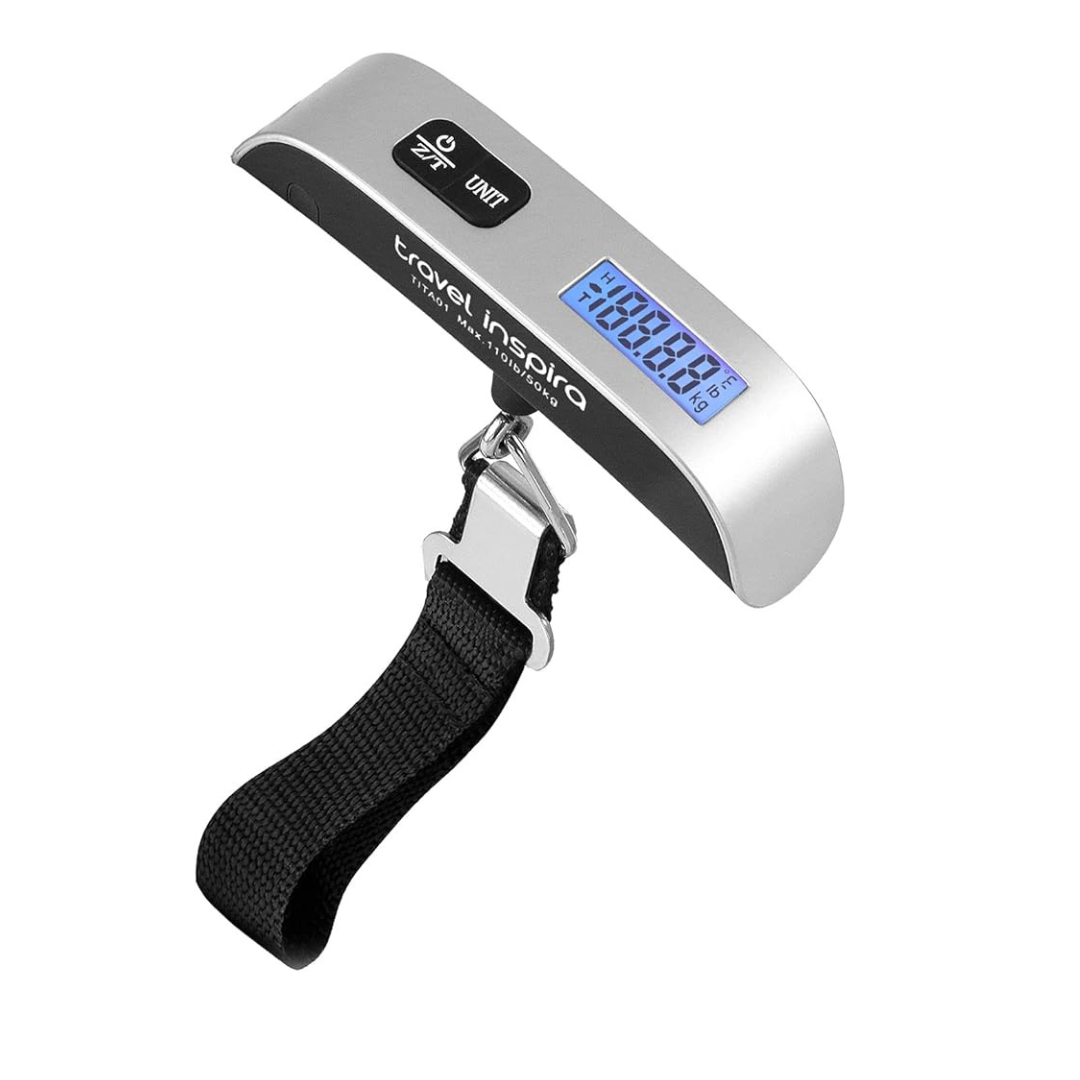
4. Luggage scale → bathroom scale at home
A luggage scale seemed like a handy travel item that would make weighing my luggage easier. Then I realized I almost never weigh my bag. Mainly because I pack carry-on only and fly airlines that do not have carry-on weight limits. If I do need to weigh my bag, I tend to forget that I have a luggage scale stored away in a drawer. Instead I use my bathroom scale since it is out in the open and accessible. I stand on it alone, then pick up my bag and stand on it again. The difference is my bag's weight. Done.
Caveat: This works because I almost always fly airlines that don't have strict weight limits for carry-on bags. If you regularly fly carriers that enforce exact carry-on weight limits or tend to overpack your check luggage, a luggage scale might still be worth it. For my travel patterns, the bathroom scale does the job without taking up any space in my bag or storage drawer.
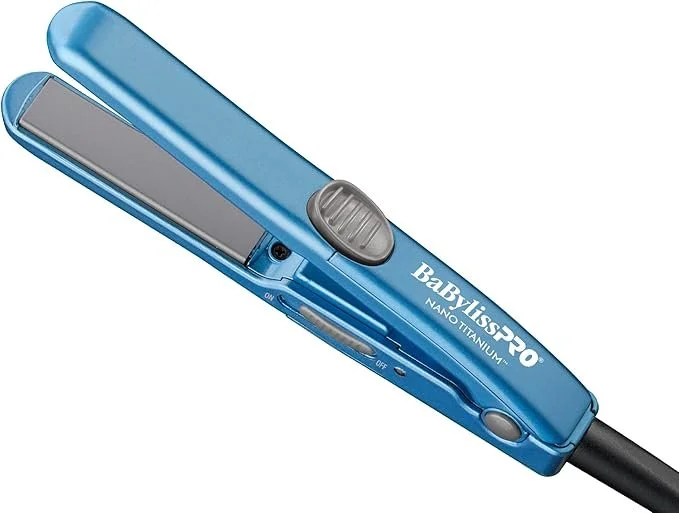

5. Travel-size hair dryer and straightener → hotel hair dryer and full-size straightener
I used to pack both a travel hair dryer and a travel-size hair straightener. They felt like the responsible, space-conscious choice just in case my accommodations didn’t provide a hair dryer. Then I actually started paying attention to what hotels provided and what I needed.
Most hotels provide a hair dryer, and in my experience the vast majority of them do. I stopped packing my travel dryer almost entirely. If I’m ever unsure about a property, I check the amenities listing before I book. That one item coming out of my bag makes a real difference in weight.
The straightener is trickier. I tried switching to a travel-size one to save space, but the one I found only had a single heat setting locked at 400 degrees. My hair doesn’t need that much heat, and high heat consistently causes damage over time. My full-size straightener lets me dial down to the right temperature for my hair type, and it’s dual voltage, so it works on international trips without an issue. The travel version actually cost me more in terms of hair health than it saved in bag space. My full-size straightener stays, the travel one did not.
Pro tip: Before any trip, search your hotel name plus “hair dryer” or check the amenities section on the booking site. Most hotels and vacation rentals list it. If they don’t provide one and you need it, that’s when a compact travel dryer earns its place.
6. Multiple single-country adapters → one universal adapter
When I first started traveling internationally, I bought adapters for specific countries. One for Europe and one for the UK. It made sense at the time. Then I looked at the pouch where I kept them and realized I was carrying four separate adapters, most of which I grabbed maybe once a year.
A single universal adapter covers almost every outlet configuration in the world. One item replaces four. I look for one that also has built-in USB-A and USB-C ports so it handles outlet conversion and device charging at the same time. It travels in a small pouch in my bag and I never have to think about which adapter I need for a destination again.
Pro tip: There is a difference between an adapter and a converter. An adapter allows you to use a different style plug while a convert converts the voltage. Most electronics are dual voltage but most hair tools are not. This is where a universal adapter that handles both the plug type and the voltage for your destination comes in handy.
7. Printed maps and guidebooks → offline maps and a notes app
I used to print itineraries, booking confirmations, and restaurant lists before trips. At the time, not everything had an app. And then I realized I was creating paper I had to manage, lose, and carry around when my phone does all of it better.
Google Maps lets you download entire cities for offline use. I save restaurants, neighborhoods, and addresses directly to a saved list before I leave home. My notes app holds my itinerary, confirmation numbers, and anything else I need. Screenshots of important information live in my camera roll as a backup. I try to use one app, such as Get Your Guide, for booking activities, so those tickets are all in one place. Nothing to print, nothing to lose.
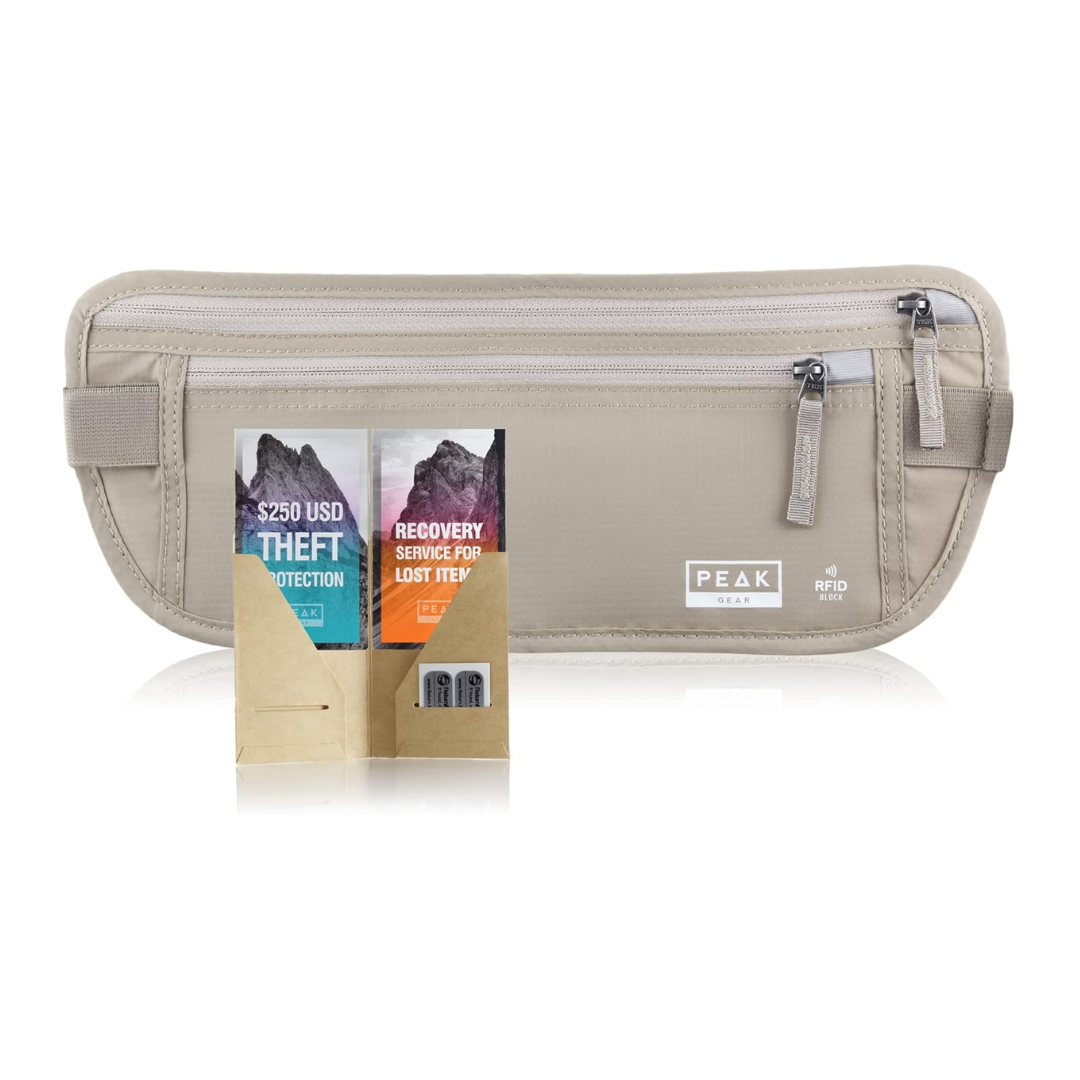

8. Money belt → a bag with a hidden pocket
Money belts solve the problem of keeping your passport and cards secure in crowded places. But they’re awkward to access, and they sit visibly under a shirt if you reach for them. Plus, wearing one around your waist all day can be uncomfortable.
I switched to a crossbody bag with a hidden inner zipper pocket for passports and cards, combined with a jacket that has a zippered interior chest pocket. Both options keep documents secure and out of sight without the physical discomfort of something strapped to your body all day. Check out my [carry-on packing guide] for how I set up my full bag system.
9. Packing shampoo and body wash → using what the hotel provides or buying at my destination
For years I packed small bottles of shampoo and body wash in my liquids bag because I was loyal to the brands and products that I used at home. I was filling precious liquids bag space with things that most hotels already provide, and on the trips where they didn’t, a quick trip to a nearby pharmacy or grocery store cost was easy.
Most hotels stock shampoo and body wash in the room, and even provide high quality products. For vacation rentals or budget properties that don’t stock them, I either pack a small amount to get started or I plan to grab what I need when I arrive. Buying locally also means I can save space in my carry-on and support the local economy.
Pro tip: If you’re particular about a specific shampoo or product, decant the product in a smaller reusable bottle. While lots of brands sell a travel-sized version, those bottles can still be bulky. Using your own travel-sized bottle allows you to control the space in your liquids bag.
10. Dedicated laundry bag → an empty compression cube
I used to pack a separate mesh laundry bag to separate dirty clothes from clean ones. It's a thin bag, it doesn't weigh much, but it's still one more thing.
Now, I dedicate one of my compression cubes as a laundry bag. As I wear my clothes, I rearrange the packing cubes so that all dirty clothes go into that cube. By the end of the trip it's full and compressed, the clean clothes stay organized in the other cubes, and I never needed the laundry bag at all.

What made the cut
Not everything in the drawer got decluttered. A few things I will never travel without:
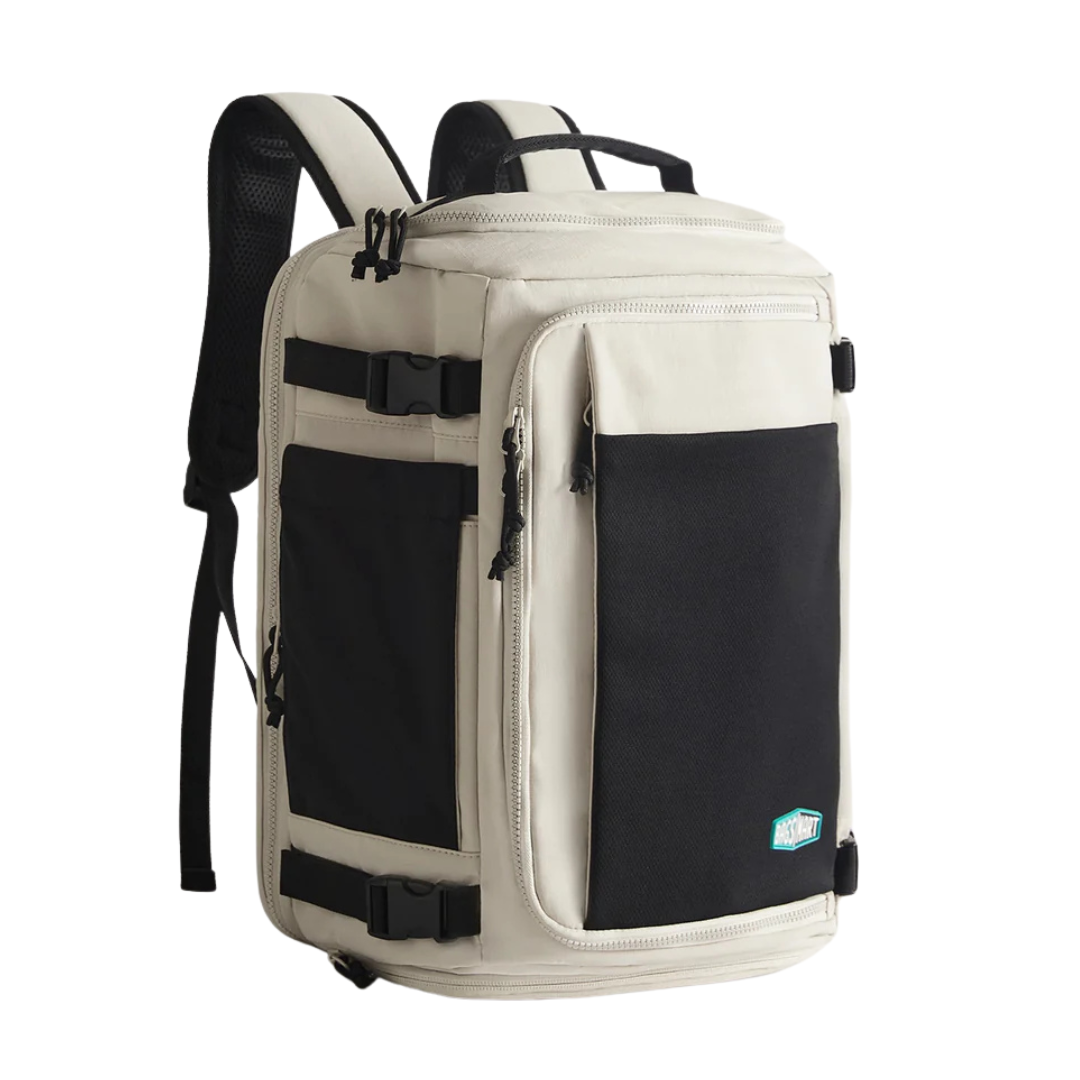
• A solid packing system: Compression cubes, a quality carry-on suitcase, and a personal item backpack that fits under the seat. This setup sets the foundation for every trip I take.
• A portable battery. Non-negotiable for long travel days and international trips where I'm navigating heavily on my phone.
• A reusable water bottle. Airport water is expensive. I carry an empty bottle through security and fill it on the other side every time.
• A microfiber towel. The single best multi-use travel item I own. Already on the swaps list above, but worth repeating here.
• A small first aid kit. Not the full pharmacy, just the basics: pain reliever, bandages, blister pads, and any prescription medications. A little bit of the essentials comes in clutch during an emergency.
Check out the vlog
Follow along on the vlog as I move into a new apartment and go in depth on the items that I decluttered.
FAQ
Do I really need packing cubes if I travel light?
Yes, and here's why: packing cubes keep you organized and allow you to find things without unpacking everything. Even with a small bag, cubes mean you can grab your outfit for tomorrow without pulling out your entire suitcase in a dark hotel room at 6am. Compression cubes add the space-saving benefit on top of that.
What microfiber towel do you recommend?
I've tried a few and look for these qualities: quick-dry, compact enough to pack in its own stuff sack, and large enough to actually use as a full bath towel. Check my shop for my current recommendation with a link.
How do you weigh your bag if it's close to the limit?
I step on my bathroom scale, note the number, then pick up my bag and step back on. The difference is the bag's weight. It's accurate enough for the airlines I fly. If you're on a carrier that weighs carry-ons at the gate, a small handheld luggage scale is still worth having.
Can you really travel carry-on only for longer trips?
Yes, and the key is a wash-and-wear approach. I pack items that dry fast, wear items more than once when appropriate, and do a sink wash or laundry load mid-trip on anything longer than a week. My full carry-on packing guide walks through exactly how I make this work for trips up to three weeks.
What’s the most important swap on this list?
The microfiber towel replacing the travel blanket is the one I recommend to everyone first, because it immediately removes one item from your bag while adding multiple functions. The compression cube swap is a close second for carry-on-only travelers because the space savings are real and measurable. But if you travel internationally with any frequency, consolidating to one universal adapter and leaving your hotel-toiletries at home will also make a noticeable difference in how much you carry.
Final Thoughts
Moving apartments gave me an excuse to audit gear I had been storing and not really using. When you travel carry-on only, you need to be particular about the items you pack. So the items that I continually skipped over while packing needed to be tossed to make space for the items that were multi-purpose. If there's a travel product you've swapped over the years that belongs on this list, drop it in the comments.
Ciao for now!


This blog contains affiliate links. I may earn an affiliate commission if you purchase something through my affiliate link or promo code.

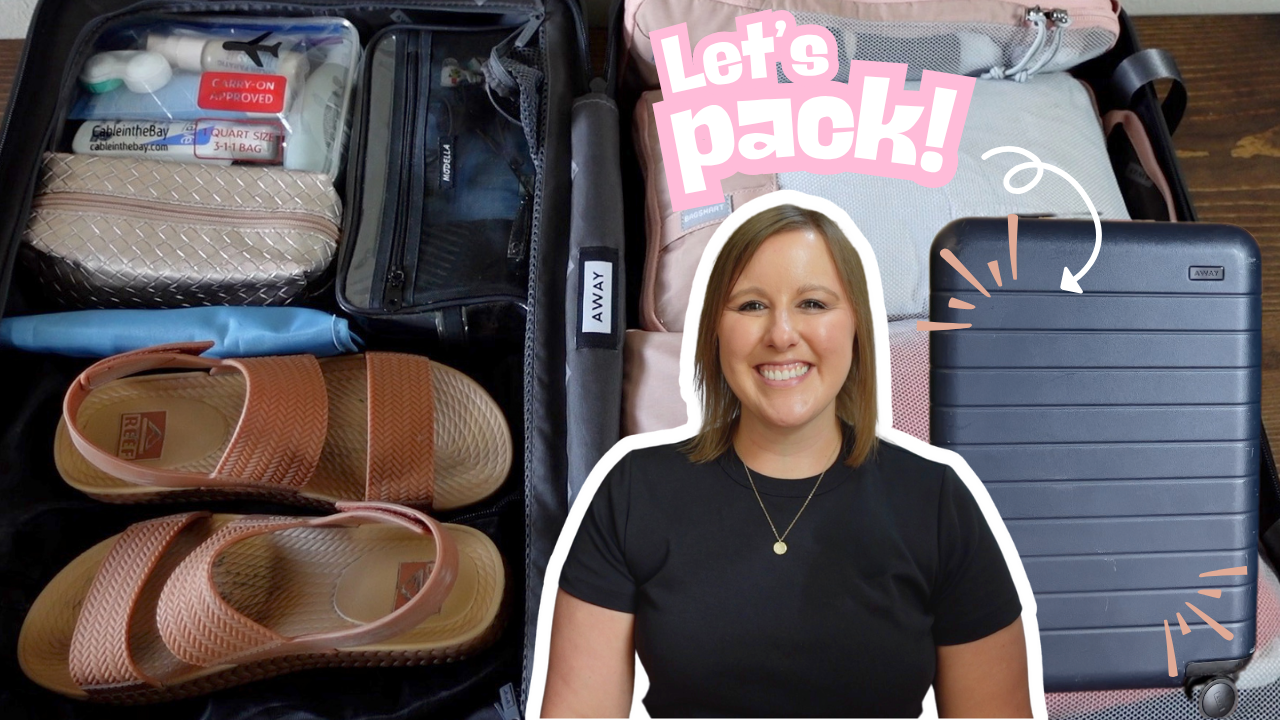
The Away Bigger Carry-On has proven itself as a reliable travel companion through cobblestones, snow, rain, and even two energetic nephews. When the handle finally broke, Away's warranty process was just as impressive as the suitcase itself, delivering a replacement part in one week at no cost.